Travel, mishap, and adventure in a beautiful and bizarre world.

Showing posts with label Advice. Show all posts

Monday, 18 May 2015

Enjoying Your Train/Plane/Automobile Ride

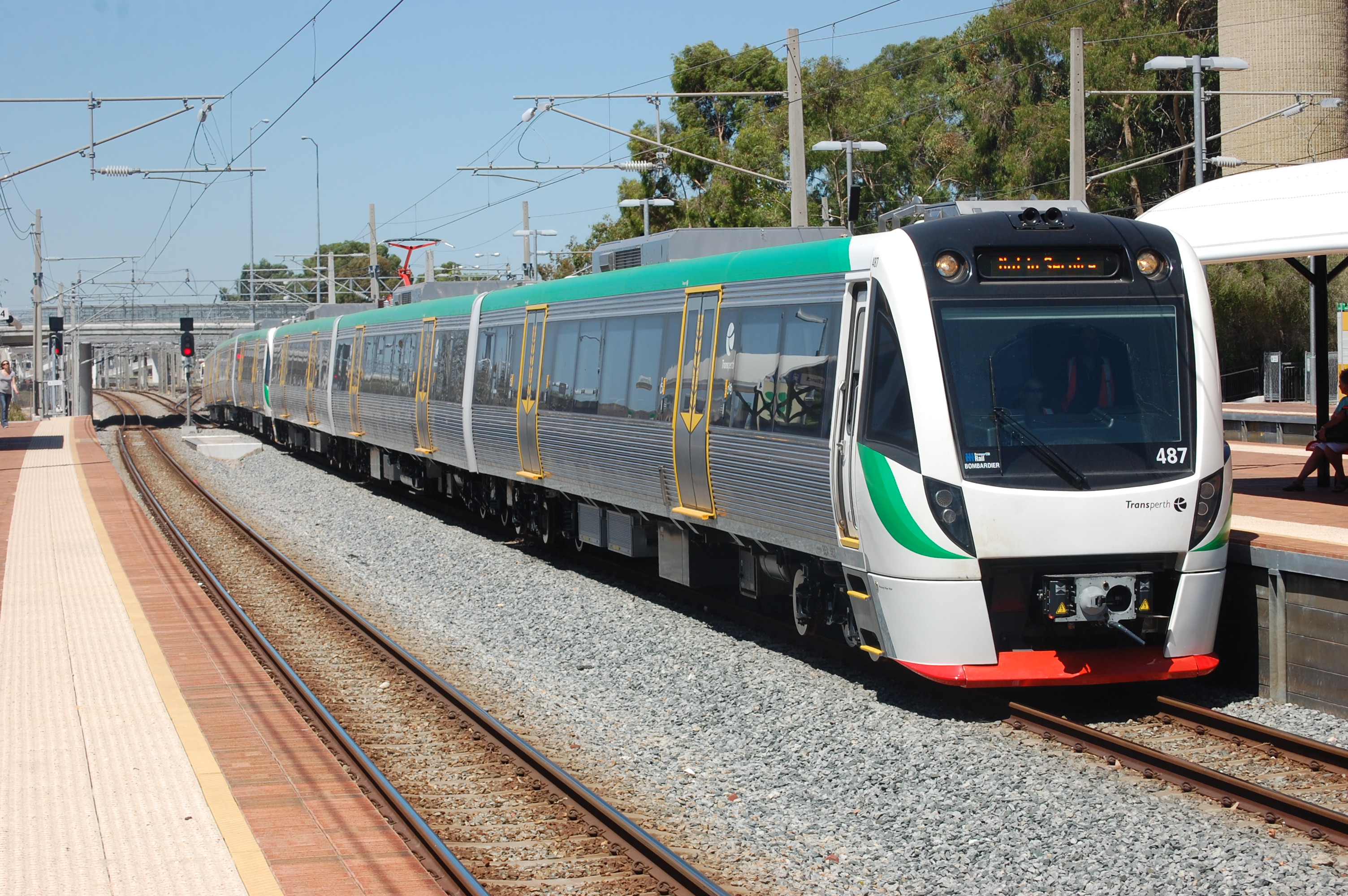
Is it a bird? Is it a plane? NO. It's
a train. 
I know a lot of people who really don't like long flights and train or car rides. This post is a guide to having a more comfortable, enjoyable time on your way to or from somewhere. Flights are probably the least easy to enjoy out of all of these, so first I've included some before and on your flight suggestions. Next, some general tips, a list of things to bring with you, and things to do during the flight/train/car trip. I hope you enjoy! 
Before Your Flight:
Your plane probably won't look
this majestic.
-Book seats over the wing of a plane for a more comfortable ride.
-Don't sit in front of an exit row; your seat will not recline.
-Aisle seat means extra leg room, a window seat means better for sleeping, a middle seat means the next few hours aren't going to be much fun.
-Avoid seats near the toilets unless you want a huge lineup of people next to you.
On Your Flight:
-On overnight flights, read or rest at least an hour before you want to fall asleep.
-Bring your own food and you won't have to wait for a meal.
As long as you have a good attitude and
don't eat too much food, you're set for
a comfortable trip. 
-Stretch and move around if possible on long flights.
-Use eye drops/nasal gel/lip balm to keep yourself from getting dehydrated.

Some Quick Tips:
Trains-    • the cafeteria car is a good place to get exercise; power-walking up and down between the seats gets people really annoyed.
Planes-   • Bring a small carry-on bag on the plane with you to keep at your seat. Use it to store essentials (phone, earbuds, snacks, more snacks, etc)
               • Working on homework? Don't spread out excessively or you'll lose your stuff.
Cars-      • Keep your seat/area clean and free of crumbs, because sitting in what's essentially a pile of compost for four hours isn't much fun.

Things to bring with you 
• Put these items in a small-ish bag or backpack •
- passport (and boarding pass for flight)
- hoodie, warm sweater or scarf
- ear plugs
- phone
- headphones
- book
- laptop
- lotion
- hand sanitizer
- lip balm
- nasal gel
- food (almonds, granola bar)
- gum or mints
- water

What do I do? 
Lots of people that go on car/train/plane rides think that the only thing you can do to pass the time is by wasting it on iPad games, staring at the live flight map, and complaining. It's important to realize that there are other things you can do that might actually be productive! 
Plan your vacation with a guidebook
while on a flight, train, or car ride.
- If you're on your way to a vacation destination, plan your trip: where are you going to go? What will you do? Bring a travel guidebook with you and make a list of places to visit to make better use of your flight. 
- Another thing you can do is flight connection pre-planning. In most guidebooks, there's a map of some major airports that airline flies to. Figure out which gate your connection is at and how to get there. Look up the metro/subway map of the place you're going to, and find out how to get to your accommodation from the airport or train station.  

More Things To Do:

- Do your homework/assignment. Flights are a good time to work without disturbances, but trying to work on things you have to do gets really boring after an hour or so. Do this at the beginning of the flight or train ride, when you're not brain dead.

Travel diaries might sound dumb,
but they're fun to look back on
(see my blog post). 
- Write a story. What would happen on the plane if someone's dog pooped and they had to do an emergency landing? Your imagination is the limit.

- Read a book. This is a good way to relax and calm yourself on a flight or train ride if you're trying to get to sleep, but it's also a good way just to pass the time.

- Make a funny video. This is a good time to make a video of your travels, or you and your friends/siblings doing something funny. Don't do it on an airplane, though, there's not enough room.

- Watch a movie. Get your friends to suggest movies you haven't seen yet. Tune out and go on a movie watching marathon. TV shows are also great-- download an entire season you haven't watched.
Don't do this before you want to try and sleep, the movie keeps you awake and stimulated (wow, I can't believe I actually found a use for that word!)
Make use of your in-flight-on-demand-
super-fancy-video-picture-thingie.

- Listen to music. It's relaxing, calming and a great way to pass time, from a few minutes to an hour.
 Listen to quiet music to get to sleep, and more energetic music to wake up in a new city, especially after a time change.

- Play a game. Board games aren't great (DO NOT play Monopoly in the car unless you want to step on the little houses for weeks after), but cards, one word stories, and twenty questions are fun-ish.
Do this on train and car rides; your airplane seat-mate probably won't want to choose an animal, vegetable, or mineral.

- Eat food. Let's face it-- food is awesome. Bring small snacks like granola bars, chips, trail mix, and candy with you to pass the time and combat the not-always-tasty airplane food.

Plane food doesn't have to be plain food. Bring your own
snacks to supplement. 
-Sleep. Sorry I included this, it's kind of dumb. But resting on a flight is essential, especially if you're changing time zones. Note: Don't get on a flight utterly exhausted, thinking this will help you fall asleep. You will be cranky and miserable, and your seat-mates will thank you for getting a good night's sleep before your plane takes off. 

Well, this concludes my guide to enjoyment on flights, cars, and trains. I hope you learned a bit from this post, and maybe the next time you go travelling you'll be able to have a more comfortable, relaxing time.


Thanks for reading, and if you have any suggestions leave a comment below :)

Tuesday, 31 March 2015

Ways To Save Money While Travelling

For this post, I'm going to list some of the easiest and most effective ways to save money on vacation. Basically, try to avoid tourist traps and instead get a glimpse of the local culture and lifestyle. Just remember that saving money doesn't have to ruin your vacation and make it miserable-- sometimes the best vacations are the spontaneous ones, planned with very little money. In general, you can save lots of money on food, accommodation, tourism, and transportation. Keep reading if you want to learn some ways to make your next vacation just as fun, but more cost-effective.

FOOD: 
Buy food at a market or grocery store, not a restaurant. Let's face it: restaurants are expensive. In Tripadvisor that you really want to go to and you know serve good food. You can still get lots of the local cuisine from markets, which are common in most of Europe. Another option is to buy food at a grocery store (for example, Monoprix in France has good prices and pretty nice food).
Markets are an inexpensive way to get a taste of the local
culture and cuisine. 
fact, they can eat up more than half your vacation budget if you're not careful. Instead of eating out whenever you see a restaurant, research two or three on sites like
Eat fancy lunches, not dinners. As you read from the previous tip, it's a good idea to minimize eating out because it saves a lot of money. However, there will be times during your vacation when you do eat out, and when you do I would highly recommend eating lunch at a restaurant instead of dinner. Most restaurants offer lunch specials much cheaper than those on the dinner menu, especially in Europe. For dinner, cook something with what you bought from this morning's market.
Don't eat near a major tourist attraction. This simple tip is easy to forget, but just know that the food will be half as good and twice the price. Walking for three blocks in any direction will get you much better, cheaper food. And as I mentioned in the first tip, remember to research restaurants beforehand; you'll get more good food.

TRAVEL EXTRAS:
Bring home memories, not souvenirs. Let's admit it: Souvenirs are fun. However, if you didn't buy that vintage dishwasher, maybe you would actually be able to afford another vacation. It's easy to go overboard when getting stuff to remember your trip, but photos are far less expensive (and take up a lot less space!). I don't need a ton of junk from the airport to prove that I had a great time on vacation, and neither do you. If you do buy a souvenir, get one thing that is useful and will serve a genuine purpose.
You don't need to get that. Or that. It's amazing how much money you can save just by not getting those extra things. You know, the travel pillow at the airport, or the hotel room with a slightly better view. Or the in-flight entertainment system, or the more expensive dessert, or the cool-looking rental car... the list goes on and on. But it's up to you to decide what to splurge on and what is basically a waste of money. Sure, these things will make your vacation a little better, but is the $12 gelato really worth it?

TRANSPORTATION:
Flight connections aren't that bad, and they can save a lot
of money. 
Take buses, not taxis. This is a pretty obvious tip, I don't think I have to elaborate on this much. Same goes for the Metro system-- It's a lot more cost-effective and also more efficient in busy cities where buses can get held up in traffic jams. If you're really in a rush, catch The Gopher (reference to my experience in Rennes le Chateau; don't ask).
Fly in economy or on connecting flights. Again, not exactly a very clever tip. The economy class thing goes without saying. Know that even on travel points, business/first class can be a lot more expensive as there are so many "airport fees" (baggage collecting fee, plane swagginess fee, etc). Travelling on points is a good idea, but be aware that it's NOT FREE. Also, check the airline websites very carefully when you're booking a flight, because you can get much cheaper flights if you're okay with flying overnight or with several connections.
Don't check your baggage. I was very surprised when I realized how much money it costs to check a bag, especially overseas. (Some airlines charge up to $100 for a checked bag from Victoria to Europe). A hundred dollars to lug my oversized bag over a lot of water? A hundred dollars could (theoretically) buy food for several days! All you have to do is read this guide to packing light and hopefully you'll be able to fit everything into a carry-on sized bag.
Major attractions-- like this esplanade in Paris-- are nice to visit,
but with a family, not a tour group. 

LOCATIONS:
Explore on your own, not on a tour. Besides tours being more expensive, you might find that you're "herded" around and not given enough time to look around. Or maybe the guides talk to much... It's usually hard to find a tour that's just right for you, and you'll probably enjoy yourself more exploring the city with friends or family. However, I'd highly recommend going to the town/city's visitor centre, or reading about some of its history and major attractions. This way, you'll be gently guided, but not herded.
Learn about the city and look for discounts at major attractions. As I mentioned in the previous tip, check out the local tourism centres and online if there are some touristy places you really want to go to. Pick a couple, but don't forget to enjoy just being in the city. Paris is no fun if all you're doing is running around between the Eiffel Tower, the Louvre, the Notre Dame cathedral. You have to become a citizen, and embrace the life and culture of the place you're visiting. (Wow, that was cheesy.)

ACCOMMODATION:
You don't have to stay in the city centre;  a short commute is
definitely more cost-effective.

Check websites for last-minute hotel deals. This is risky, but if you look carefully on sites like Priceline and Hotwire, you might be able to get some really good deals on hotels that would usually be a lot more expensive. Don't do this if you're travelling in a group because a) the group will become annoyed due to your lack of planning and b) it's hard to find multiple rooms reliably on these sites.
When travelling with more people, get a suite. Especially when travelling with families. Getting a two or three bedroom suite --while it sounds expensive-- is probably going to be cheaper than getting separate rooms. And remember, the view your accommodation has will affect its price a lot. 
Stay in a nearby town or suburb instead of in city centre. This travel tip isn't always applicable, because sometimes being in the city centre is part of the atmosphere and awesomeness of going to that place. For instance, in Paris you'll have a lot more fun staying in the city centre than in the industrial suburbs. Use your judgement, but when visiting certain cities it's a really good idea to book a hotel in a nearby town and drive the ten or twenty minutes to the more expensive city with all the major attractions you want to visit. (For example, when visiting the Pont du Gard in Southern France, stay in Uzès, not Nimes.)

Other ways to save money: 
  • Get free WiFi from cafes instead of paying extra at your hotel. 
  • If options are available, take the slower method of transportation (bus > airplane). 
  • Vacation homes and condos are cheaper than hotels. 
  • If you're staying in a hotel, skip the breakfast and try a local café instead.
  • Fill up your rental car before you return it instead of paying for someone else to do it.
  • Travel off-season (not during the peak times for that destination). 
Conclusion: When you go on vacation, you want to splurge-- and you deserve to splurge. But by being smarter about how and where you spend your money, you'll have more of it to spend on the things that matter, like extra activities or shopping opportunities you wouldn't have back home. Plus, forcing yourself to save on vacation will often get you out of the tourist traps and land you where the locals hangout. A good vacation doesn't get better than that. 

Well, thanks for reading! If you have any feedback or other travel tips, leave them in the comments section. 

Thursday, 19 March 2015

Travel Products: Worth It?

Let's face it: There are so many travel accessories out there, and all of them are tempting. A neck pillow with a hood? Packing cubes? A suitcase that zips into three pieces? Laser-beam umbrellas that microwave your toast? Well, maybe not. But there's so much stuff that's been invented to help you with your travels. This post will answer which of these things are actually useful, and which you can do without. Or if you can use them, but only in a certain situation.

#1) Packing Cubes
Description: Packing cubes are lightweight zippered mesh or fabric bags that can be used to help you organize your clothes. They can help to separate your suitcase into manageable sections and come in various sizes and colours.

Things you should know about packing cubes: 
Packing cubes come in a variety of sizes and colours,
but you might find that they're not as useful as you think.
  • If you really want to be organized on your trip, the packing cubes will help you. Because of their versatility and different sizes, it's easy to put your toiletries in one, shoes in another, and have one for dirty laundry. 
  • You'll find yourself having to pack around the cubes since they'll never quite fit the dimensions of your suitcase.
  • If you're travelling with someone else, I'd recommend colour-coding your stuff with different packing cubes so it's easier to know whose clothes are whose.
  • If you're moving a lot from one hotel to another, you'll only have to pull out one cube instead of having to take apart your whole suitcase.
  • Frankly, I don't need to pay $10 for a laundry bag. A pillowcase or a plastic bag can be folded up when not in use and is certainly less expensive. 
Conclusion: Although packing cubes are useful in some certain situations, you'll find that they're not worth the money. 

#2: Cocoon Grid- It Organizer 
Description: A flat surface with interwoven elastics that hold all your cords, cables, and gadgets in place. This "ultimate organizer" is supposed to keep these items from strangling each other, and comes in a variety of sizes.

Things you should know about the Cocoon Grid-It:
The Cocoon Grid-It offers endless configurations for
organizing gadgets and travel items.
  • Because of all the different elastic widths, it's easy to put the Grid-It to good use. It's very versatile and can hold items as big as a camera and as small as earbuds. 
  • Everything is visible at the same time, and accessing different items is simple instead of insanely difficult because they're stuck way at the bottom of your bag. 
  • The thick, stretchy elastics can easily secure items and actually keep them secure. You won't have to worry about them falling out. Unfortunately, we all know what happens to elastics over time, so don't try to force items that are too big for the elastics or they will stretch out. 
  • Carefully organized, the Grid-It could fit many items, conceivably more than the average person could carry around. This is great, but for travel I wouldn't buy any size larger than small because how much stuff am I actually going to bring with me? (See my packing list.)
  • Weight can also be a problem. Carrying around a pair of earphones in my pocket, I'd barely notice. The Grid-It is certainly heavier (0.24kg), so only buy one of these if you know you can actually fill it with stuff.  
Conclusion: This awesome organizer can be adapted for use when travelling, but you need to get a smaller size (7"x 5" or 10.3" x 5") or it will become a burden. 
Final Verdict: 7/10. Worth it!

#3: Travel Pillows
Description: Travel pillows are soft, colourful, and come in a variety of shapes and sizes. Some are inflatable, and others are made from memory foam. They can help you to sleep and be comfortable when travelling. (Read: a pillow.)

Things you should know about travel pillows:
Although travel pillows are okay for short trips,
they're a waste of space when travelling internationally.

  • One of the most popular types of travel pillows are the inflatable ones. These are easy to pack; after all inflatable travel pillows are basically like plastic bags! They're about as comfortable as resting your head on a plastic bag, too. Let's not mind the fact that you paid $20 for it and it still takes three hours to inflate. 
  • Some are made from memory foam (it remembers the shape of your head? This thing is a genius!). This type of travel pillow is more comfortable than the inflatable ones but can still be stored without taking up too much space. More or less.
  • Sleep collars: More like "neck brace". Do not buy. (If you want, just google it. I'm not putting a picture of it on my blog, it's too embarrassing.)
  • Hoodie pillow: Just no. (Google again.)
  • Of course, you could always just roll up your hoodie and make it into a pillow. But I guess that's out of the question. More important to waste even more space by getting a travel pillow. 
Conclusion: These are a waste of space and money unless you're bringing the dishwasher with you. In that case, a travel pillow is a GREAT idea! Just remember to get one of the 25kg-life-raft-sized-memory-foam ones that will have to go in the cargo hold because you can't get them through the door of the plane. 
Buy a travel pillow (if you feel you have to get one of these, get this one):  http://www.luglife.com/Nap-Sac-Travel-BlanketPillow-Set?sc=2&category=28416
Final Verdict: 2/10. Not worth it.

Thanks for reading! If you agree or disagree with my product advice, leave a comment below. And if you enjoyed this post or want to request an item for me to review next, let me know :)

Happy travelling (and shopping!) 

Wednesday, 28 January 2015

TRAVEL ADVICE: Packing Light

The importance of packing light on a long trip cannot be overemphasized, and although this may seem easy, it can be surprisingly difficult to pack effectively. Use this short post as a guide on your next long trip. 

The first time I travelled internationally, I found the whole "packing" thing very confusing. Figuring out what to bring on a trip was a complete nightmare.

Me packing on a trip to Maui: 
Let’s start with the bare essentials: iPod, toothbrush, a couple of extra pairs of shoes, my WiFi modem, a glue stick in case I need to glue stuff, the surfboard can go carry on, some cutlery in case it’s not provided, and my dishwasher to wash the cutlery. Oh and clothes. And a swimsuit. And toothpaste because what use is a toothbrush without toothpaste. Of course I gotta fit in with the locals so I should bring my flower lei. Made from good quality plastic flowers! This is getting to be a lot of stuff. So I go onto one of those travel advice forums. “Pack items for every situation.” Well, done that. “Consider any unexpected locations or conditions.” Hmm. Maybe the laundry machine should come along too... 

Luckily, I've gotten a little better at packing (and also a little less random). Here are some tips for travelling light that you might find useful on your next trip. Some of it's pretty obvious, but I hope it at least helps a little.


Hand-to-makeup-bag comparison
(or at least how big it should be).
1) Never check your baggage. A good limit is 20 pounds in a 9" x 22" x 14" carry-on-size bag (it'll fit in your airplane's overhead bin). For many people who haven't travelled much, this is a radical concept: "What? That's the size of my makeup bag!" But besides being more expensive, checking baggage will make it more likely to get broken, lost or stolen. With a smaller bag, last-minute changes in hotel and flight plans become simpler. You can have access to your bag at all times, and when you arrive you can charge past all the annoyed people waiting for their checked bag...that may have just got put on the wrong plane to Mongolia. 
This is what I mean by
"small day bag".

2) Packing light isn't just about saving time or money-- it's also about your travelling lifestyle. Too much luggage marks you as a typical tourist, and you'll walk with it more than you think. Before flying to Europe, give yourself a test. Pack up completely, go into the city you live in, and practice being a tourist for an hour. If you didn't enjoy your experience, stagger home and thin out your luggage.
Corral your cables in a small pouch
so they won't strangle your speakers.

3) Bring one bag; a small day bag is optional. A large backpack or duffel bag is great because you can compress it into a small space, unlike a hard suitcase. They can fit more than you think! A very small purse or shoulder bag can be a good idea if you're going on day trips and need space for a water bottle, money, phone for selfies, etc. but this should only hold a few essentials. Don't make it into a second large bag, and only bring this if you have to. The more you bring, the more stuff you have to keep track of.

Hopefully that helped you with what bags to bring.. However, I haven't actually given you any tips on packing effectively. (This is my personal experience, so don't trust it too much.) Here we go: 
Absolutely NO hardcover books
(use eBooks when travelling).

1) Wearing is not carrying. Stuff your pockets, have on layers and a jacket. Pack your flip-flops and wear your boots. 
Rolled (top); folded (middle)
and crunched (bottom)
2) Black holes are so compact that light cannot escape their gravity. Your bag should function on a similar principle. Folded is smaller than stuffed. Folded and rolled: smaller still.
3) The value of each item increases exponentially with each function. For example, a frisbee can be strategically packed on the outside of your bag to protect breakables in addition to its international friend-making potential.  It can also be used as a cutting board, plate, bowl, fan, and a dry place to sit. A towel could be used as a changing room, a bag, a sunshade, a blanket, or even a giraffe excluder (roll lengthwise and stuff under door). 
One accessory can be great,
but notice I said one.
4) Magic of three. Three pairs of socks. Three shirts. Wash one, wear one, dry one. Choose quick-dry cotton-poly blends that handle wrinkles well. (Note: You won't need as many pants as shirts because they don't need to be washed as often. For example, if you pack 3 shirts, only bring 2 pairs of pants.)
Ditch the jewellery and hair
flowers when travelling
 (especially if you're a guy).
5) Bring clothes that work easily with your other clothes, instead of packing a different outfit for each day. It's surprising how much space you can save this way. (And when I say clothes that match, I don't mean a neon pink shirt with orange zebra stripes.)
6) Be logical. Really consider each item. Don't just ask yourself "Will I use this?" but instead, "Will I use these fins enough to feel good about hauling them over the Swiss Alps?" Think in terms of what items you can do without-- not what will be handy on your trip. 
Don't bring random clothing
that doesn't work with your
other articles, as shown above. 
7) If all else fails, buy your way out. Rather than carry a whole trip's supply of toiletries, take enough to get started and look forward to running out of toothpaste in Bulgaria. Then you have the perfect excuse to go into a Bulgarian department store, shop around, and pick up something you think might be toothpaste. And if you still can't find the item you need, ask yourself how half a billion Europeans can live without it.
Buy your way out!

Well, I hope these tips help you with packing for your next trip. Just remember that in the end, you can't travel heavy, happy and cheap. Pick two.


And don't forget to leave room for souvenirs! :)

Wednesday, 3 December 2014

TRAVEL ADVICE- Enjoying Flight Connections

This is my first Travel Advice post, all about how to enjoy flight connections...enjoy!

First Steps: (connections 2hrs+) These are the first things you should do after you land, in order. 
1) Find Food. When you're on the plane and the flight attendants are chucking the unappetizing flight meals at your tray table, you'll wish you had found food in the airport. 
Organize your boarding pass...if you can
find it... WHERE IS MY BOARDING PASS?
2) Organize Your Bags. Your carry on bag probably got all jumbled up from you rummaging through it on the previous flight, so take some time to put everything in its proper pocket, and so on. This is also the time to charge your iDevice. As long as someone in your family is guarding your phone, you can charge it while you wait for the plane. It's surprisingly easy to forget to do this, actually, and if this is your only source of entertainment (which it shouldn't be) this is especially important. 
3a) If you're travelling East, you'll probably be pretty jet lagged by the time you reach your destination. This is a good time to think about the time difference at your destination and use it to your advantage. For instance, if you're waiting in Toronto for a flight to Paris, you'll know that Paris is 6 hours ahead of Toronto. So if it's 4pm in Toronto, you should be sleeping in France. Spend your time waiting for a connection getting used to the time difference.
Try to match your eating/sleeping
schedule to the one of the time
zone you are travelling to. 
3b) If you're travelling West, the day is going to keep going...and going... and going. You will just keep staying awake and you won't even be tired. Why? If (for example) you're travelling from Paris back to Toronto and your flight from Paris leaves at 1pm (Paris time), you'll arrive in Toronto at 8pm Paris time. But at this time, it's only 2pm in Toronto because of the time difference. So naturally, your brain is totally confused because it's still light outside when it should be night in Paris...(have I lost you yet?). Anyway, if you're not tired, you might as well have some fun with the airport games listed below. 

Airport Games: This is how to have fun in an airport if you have time to spare. 
 1) Find The Item: Each kid is assigned a travel item that you forgot to bring. Then, everyone has to run off and find their item in a store in the airport, buy it, and come back. The first person back gets the previously decided prize (candy for the plane, etc.) Set a time limit so your 8 year old doesn't go tearing across the airport and end up on the opposite side when you're plane's supposed to be boarding.
See if you can beat 12.7 seconds for the
100m escalator race.
2) Escalator/Moving WalkwayRaces: Choose an escalator or one of those high-speed moving walkways in the airport. At one end, race each other to the other side... but walk forwards while the escalator or walkway is moving backwards. My friend's siblings get really competitive with this (they even have timed heats.) Bonus points if you don't get caught by the airport security guards.

When You Get Tired: What to do when you can't afford the Air Canada Maple Leaf Lounge. 
1) Baggage Fort: Sit in a corner seat by your flight gate, and pile up your entire family's luggage on the side that isn't a wall. Grab an iPad/Pod and listen to music or watch a movie, and ignore the strange looks from other travellers. If your family travels really light, this won't work as well. 
This is a very successful luggage fort.
The person is inside.
2) Use The Hoodie: Unless I'm travelling to a hot climate, I always wear a hoodie. Hoodies are extremely versatile, and for those of us who can't afford the $30 neck pillows, I highly recommend stuffing the fuzzy fabric into the hood for a comfortable pillow. Tip: It's nearly impossible to sleep sideways in airports because the armrests are these giant metal things on each seat. Your best bet for sleeping is against a wall or sitting upright.

Short Connections: When you get off the plane and immediately have to get across the airport for a connection twenty minutes later, it's important not to be captivated by all the stores and food right by the place you entered the airport. Prioritize by:
On Air Canada flights, the back
of the Enroute Magazine has
maps of several major airports.
1) Getting off the plane and charging over to your gate first. A lot of airlines have magazines in the seat pockets with maps of the major airports; figure out where your connecting flight is and how to get there beforehand. Getting on the plane is more important than getting food right now.
2) Then, put your bags down and get something to eat. If you only have ten minutes before boarding, use common sense and don't eat at a gourmet restaurant. Just refill your water bottle and buy some candy or a granola bar. 
3) If you still have time after that, it's not a "short connection"...


Well, that concludes the first "Travel Advice" post! I hope you can have a more enjoyable flight connection next time you're travelling (or at least try and build an acceptable baggage fort) :)